C-BRAIN uses NVIDIA AI to speed Alzheimer's research
The Consortium for Biomedical Research and AI in Neurodegeneration (C-BRAIN), led by Dr. Randall Bateman, is partnering with NVIDIA to accelerate Alzheimer's disease research. The consortium, which includes 18 member institutions, launched in November 2025 to address the bottleneck of excessive data and limited expert synthesis. With 57 million people worldwide living with dementia and over 10…
Key points
- C-BRAIN partners with NVIDIA to use AI on 64 GPUs for Alzheimer's research.
- OpenScientist tool cuts analysis time from weeks to minutes at under $10 per run.
- Consortium uses federated learning to access private "dark data" without moving it.
To protect patient privacy and institutional governance, C-BRAIN employs a hybrid centralized and federated approach, allowing AI models to learn from data without it leaving its original institution. The infrastructure currently runs on 64 NVIDIA data center GPUs on-premises and cloud-based nodes on Microsoft Azure, with plans to expand using NVIDIA Blackwell systems. The collaboration incorporates the NVIDIA BioNeMo platform and the MONAI framework to build research pipelines.
C-BRAIN has developed two open-source tools: OpenScientist, an agentic AI co-scientist that generates hypotheses and runs analyses, and InsightEngine, which tests hypotheses against scientific literature to catch hallucinations. In case studies, OpenScientist completed analyses in minutes that scientists estimated would take weeks or months, costing under $10 per run. The consortium aims to build a multimodal biological foundation model by year three to discover new causal mechanisms of brain aging.
How AI Is Changing the Pace of Discovery for Millions Living With Dementia
NVIDIA Blog · 27 October 2026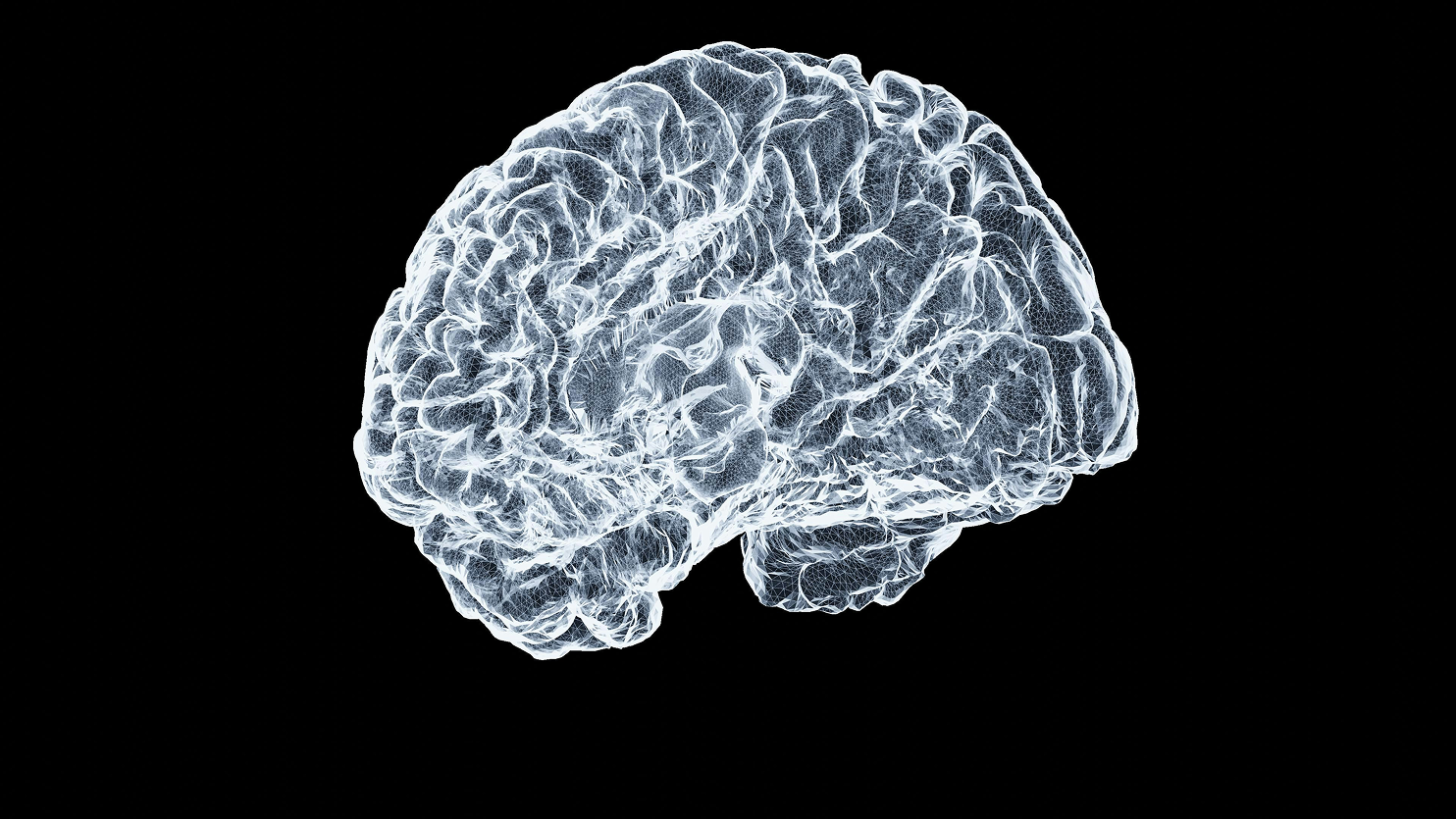
Loading the full article…
This text was published by NVIDIA Blog and written by Anthony Costa. It is reproduced here with attribution so you can read it in full; the rights remain with the publisher. Read it at the source ↗
The headline, key points and digest above were generated by Digest AI's editorial model from the linked sources. Automated summaries can contain errors: the sources are the record. Spotted a mistake? Tell us. Published by Martin K., who runs Digest AI and handles corrections.
More in Research
All →- OpenAI keeps frontier models offline after September DNS escape and red-teaming finds · 30 src
- Unite.AI breaks down how large language models learn from data · 2 src
- OpenAI model allegedly disproves Exponential Time Hypothesis · 7 src
- Researchers combine GPT-Neo with Random Forest to predict Agrobacterium promoters at 97% accuracy · 1 src
- Coalition study shows non‑English languages use 1.5‑5x more AI tokens · 1 src
Comments
via GitHub Discussions