ChatGPT-6 Astra decodes 108-year-old WWI German cipher
A developer known as Prinz claims to have used ChatGPT-6 Astra to break a 108‑year‑old World War I German radio message that was listed among 50 unsolved ciphers on Scienceblogs.de. The cipher, identified as using the ADFGVX method, was solved by feeding the keyword “TRUPPENVERSCHIEBUNG” to the model, which produced a German plaintext that translates to an alert about an English cruiser arriving…
Key points
- Developer Prinz used ChatGPT-6 Astra to break a 108‑year‑old ADFGVX cipher.
- Decoded message reports an English cruiser arriving at Sevastopol on 24 Nov 1918, matching HMS Canterbury logs.
- Astra solved the cipher with the keyword “TRUPPENVERSCHIEBUNG”, previously thought unused until Dec 9 1918.
Prinz checked the decoded dates against historical naval logs and found that the cruiser arrival matched the British cruiser HMS Canterbury’s docking in Sevastopol on 24 November 1918, while the squadron date aligned with the recorded arrival on 26 November. The developer hypothesizes that earlier attempts failed because researchers assumed the keyword was only used after 9 December 1918, a month later than the message’s transmission on 29 November. The episode is presented as a showcase of Astra’s flexible problem‑solving abilities.
ChatGPT-6 Astra cracks 108-year-old unsolved WWI German code for the first time — radio message sharing enemy movement intelligence had evaded decoding, 1918 Crimean fleet warning verified against HMS Canterbury logs
Tom's Hardware · 19 September 2026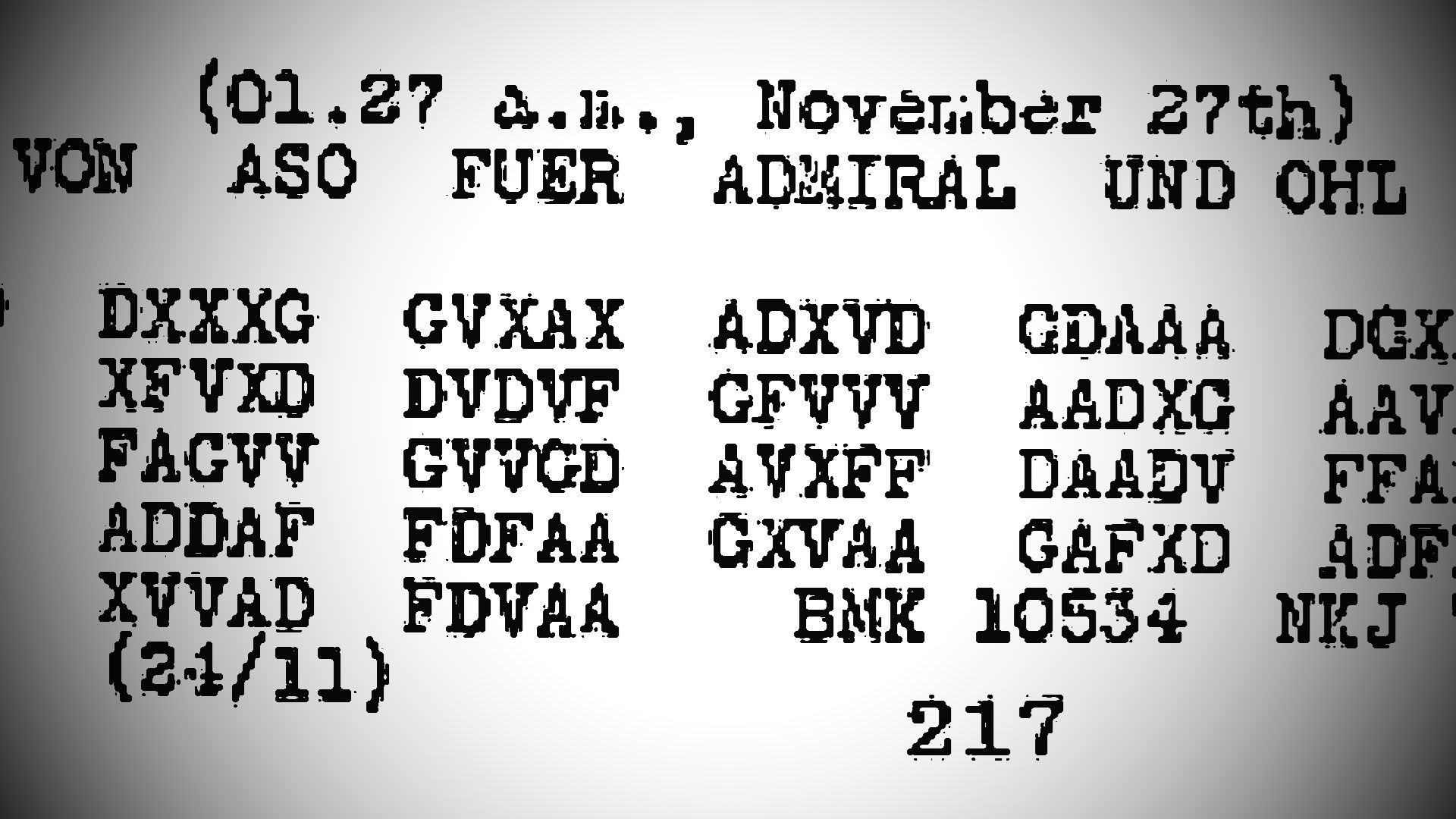
Now 108 years after its transmission, an encrypted World War I German radio message has apparently been deciphered for the first time. The decoded and translated message relays information about the movements of an English cruiser and an Allied squadron near the Crimean Peninsula. Prinz, the developer who reckons they successfully decoded this covert WWI communication, used GPT-Astra to solve the cipher.
Prinz picked the code from a relatively famous list of 50 unsolved ciphers maintained by the German science blogging portal Scienceblogs.de. It was known to be “encoded using the ADFGVX method,” says the developer on their Substack.
Addressed to the German High Command and for the attention of an admiral or perhaps Naval Command, the ciphered message looks like gobbledygook, surely as intended. The German military at the time used a convoluted grid of letters that shuffled depending on the current keyword.
Astra solved the cipher using the word “TRUPPENVERSCHIEBUNG” as the key. This resulted in the decoded message: “EIN ENGLISCHER KREUZER EINLIEG X SEWASTOPOL X S4STEN X EIN GESCHWADER DER X ALLIIERTEN FOLGT 26STEN X.” Translated into English, we can at last understand that the radio message was the following alert: “AN ENGLISH CRUISER ARRIVED AT SEVASTOPOL ON THE ?4TH AN ALLIED SQUADRON FOLLOWS ON THE 26TH."
Astra also checked its work against military logs. The details about the cruiser’s arrival time aligned with the arrival of the British cruiser HMS Canterbury in Sevastopol, Crimea, on November 24, 1918. So the ‘?’ was perhaps a typo made in transmission. However, the Allied squadron's arrival date was spot on (November 26), according to the historical records Prinz checked.
GPT-Astra hypothesizes that previous attempts to decipher this German message failed because code sleuths made an incorrect assumption. Before this decoding feat, it was thought that the keyword “TRUPPENVERSCHIEBUNG” was used only as a key starting December 9, 1918. Remember, this message was transmitted on November 29 of that year.
This codebreaking feat is a cool result and a good example of Astra’s flexible problem-solving capabilities.
Mark Tyson is a news editor at Tom's Hardware. He enjoys covering the full breadth of PC tech; from business and semiconductor design to products approaching the edge of reason.
This text was published by Tom's Hardware and written by Mark Tyson. It is reproduced here with attribution so you can read it in full; the rights remain with the publisher. Read it at the source ↗
The headline, key points and digest above were generated by Digest AI's editorial model from the linked sources. Automated summaries can contain errors: the sources are the record. Spotted a mistake? Tell us.
More in Generative AI & Models
All →- OpenAI founder launches Jev model promising lower cost and faster processing · 2 src
- Linkup Research releases sparseup 149M-parameter sparse embedding model · 1 src
- Six Jev-inspired models released in two days, from Laya (421M params) to Kev-0.5B · 1 src
- MarkTechPost explains GGUF, GPTQ, AWQ, EXL2, EXL3 model formats · 1 src
- xAI releases Grok Voice Transcribe 2.0 speech-to-text model · 2 src
Comments
via GitHub Discussions