China launches Supercomputing-1 AI satellite for orbital data processing
China lifted nine satellites into orbit on September 20 using CAS Space’s Kinetica 1 Y18 rocket, including the S‑AIDC‑1 "Supercomputing-1" AI satellite developed by S‑AIDC. According to Digitimes, the satellite will capture and process Earth‑observation imagery in space, aiming to cut cross‑regional data‑processing times from hours to minutes by keeping computation onboard.
Key points
- China launched nine satellites, including the S‑AIDC‑1 “Supercomputing‑1” AI satellite, on Sep 20 via CAS Space’s Kinetica 1 Y18 rocket.
- Supercomputing‑1 aims to process Earth‑observation data in orbit, reducing cross‑regional processing time from hours to minutes, according to Digitimes.
- SpaceX’s AI1 satellite plans 150 kW compute and targets 1 GW of space AI compute per year by 2027, building a 11‑million‑sq‑ft Gigasat factory.
The launch follows the Chinese government’s June approval of the Space Computing Industry Innovation Center, which seeks to unite rocket makers, semiconductor fabs and AI firms into a space‑based computing network. Digitimes notes that terrestrial AI data centers have faced backlash, with residents blocking $68 billion of new projects in Q2 2026 due to power, water and noise concerns. SpaceX is also pursuing orbital AI with its AI1 satellite, promising 150 kW of peak compute and a target of 1 GW of space AI compute per year by 2027, supported by an 11‑million‑sq‑ft Gigasat factory slated to produce 6,000 satellites. These developments highlight growing interest in off‑planet AI compute for faster image analysis, disaster response and satellite autonomy.
China launches 'Supercomputing-1' AI satellite as orbital data centers gather momentum
Tom's Hardware · 23 September 2026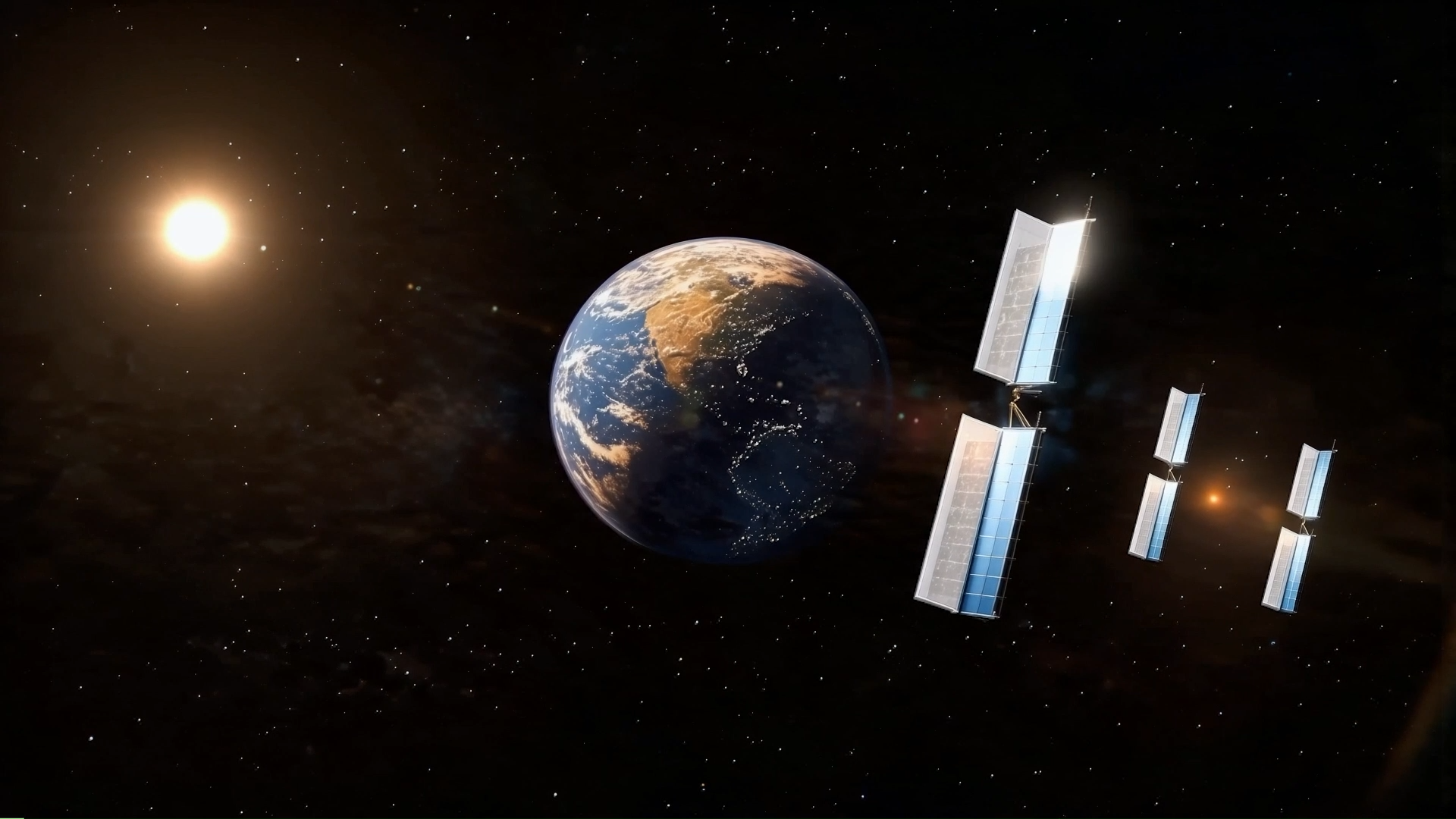
Loading the full article…
This text was published by Tom's Hardware and written by Etiido Uko. It is reproduced here with attribution so you can read it in full; the rights remain with the publisher. Read it at the source ↗
The headline, key points and digest above were generated by Digest AI's editorial model from the linked sources. Automated summaries can contain errors: the sources are the record. Spotted a mistake? Tell us. Published by Martin K., who runs Digest AI and handles corrections.
More in Hardware & Compute
All →- AMD adds GDDR7 support to its Linux GPU driver · 1 src
- Meta unveils Ray‑Ban Meta Gen 3 glasses and Luna audio‑only variant · 2 src
- Viture announces Vonder glasses that map memories, preorder begins Sep 28 · 2 src
- Global AI glasses shipments rise 263% YoY in H1 2026, led by Meta and EssilorLuxottica · 1 src
- Broadcom says Anthropic likely to become its biggest XPU customer in 2027 · 1 src
Comments
via GitHub Discussions