New research could lead to faster, trustworthy AI models for climate prediction
MIT researchers have created a training method that uses synthetic data to improve the speed and reliability of climate emulators. The approach reduces the need for multiple full earth‑system model runs, cutting production time from six or eight runs to just one. The resulting emulators can run in seconds, allowing scientists to test thousands of scenarios quickly and identify unexpected…
Key points
- mit researchers created a training algorithm that uses synthetic data to improve climate emulator accuracy
- the new method reduces training data needs from six or eight full earth‑system model runs to one
- emulators can run in seconds, enabling rapid scenario testing
New research could lead to faster, trustworthy AI models for climate prediction
MIT News on AI · 12 November 2026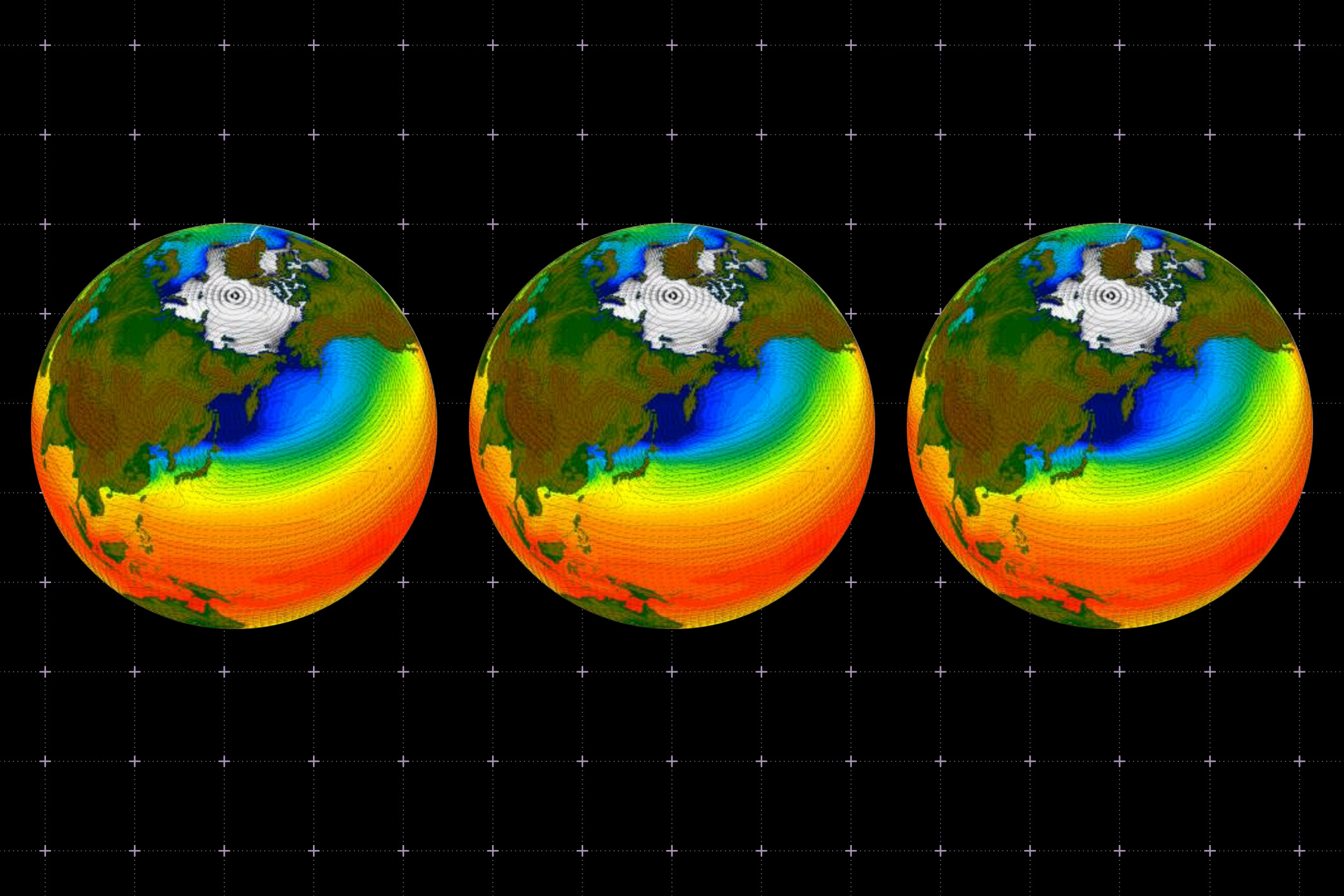
Loading the full article…
This text was published by MIT News on AI and written by Adam Zewe | MIT News. It is reproduced here with attribution so you can read it in full; the rights remain with the publisher. Read it at the source ↗
The headline, key points and digest above were generated by Digest AI's editorial model from the linked sources. Automated summaries can contain errors: the sources are the record. Spotted a mistake? Tell us. Published by Martin K., who runs Digest AI and handles corrections.
More in Research
All →- Google DeepMind cuts quantum circuit costs with Gemini 4 agents · 1 src
- Hi-TPH dataset improves T cell receptor binding predictions · 1 src
- OpenAI releases 'yardstick for intelligence': Let's pause here · 1 src
- Hugging Face outlines steps for building and maintaining agentic evaluations · 1 src
- Apple launches 200,000-person study on health AI trust with OpenEvidence · 1 src
Comments
via GitHub Discussions