Nvidia's RTX 60 GPUs might not launch until 2028, leaker says
Hardware leaker Kopite7Kimi posted on X that Nvidia's upcoming RTX 60 series, built on the Rubin architecture, may not be released until at least 2028. The leaker previously thought a new generation could appear in late 2027, but now says the "GR20x" product is pushed to 2028. Kopite7Kimi has a historically near‑spotless record on Nvidia hardware leaks, and the claim suggests a six‑year gap…
Key points
- Leaker Kopite7Kimi says RTX 60 series based on Rubin architecture may not arrive before 2028.
- Nvidia is reportedly prioritizing data‑center and workstation products, expecting $20 billion from Rubin in Q3 2027.
- RTX 5090 prices have risen above $9,000 amid supply constraints and delayed consumer GPU launches.
The delay may stem from two reported factors. First, a rumored RTX 50 Super series Blackwell refresh appears to be sidelined despite being ready, allegedly because it uses denser 3 GB GDDR7 VRAM chips also found in the RTX Pro 5500 and the RTX 5090. Second, Nvidia is reportedly focusing on its data‑center and workstation business, expecting to generate $20 billion from Rubin‑based products in Q3 2027, while wafer supply from TSMC remains constrained. The RTX 5090 is already selling above $9,000, adding pressure on consumers. Nvidia has not commented on the leaker’s statements.
Nvidia's next-gen RTX 60 GPUs might not be released until 2028, prominent leaker claims — gaming takes a back seat as company focuses on delivering data center products
Tom's Hardware · 21 September 2026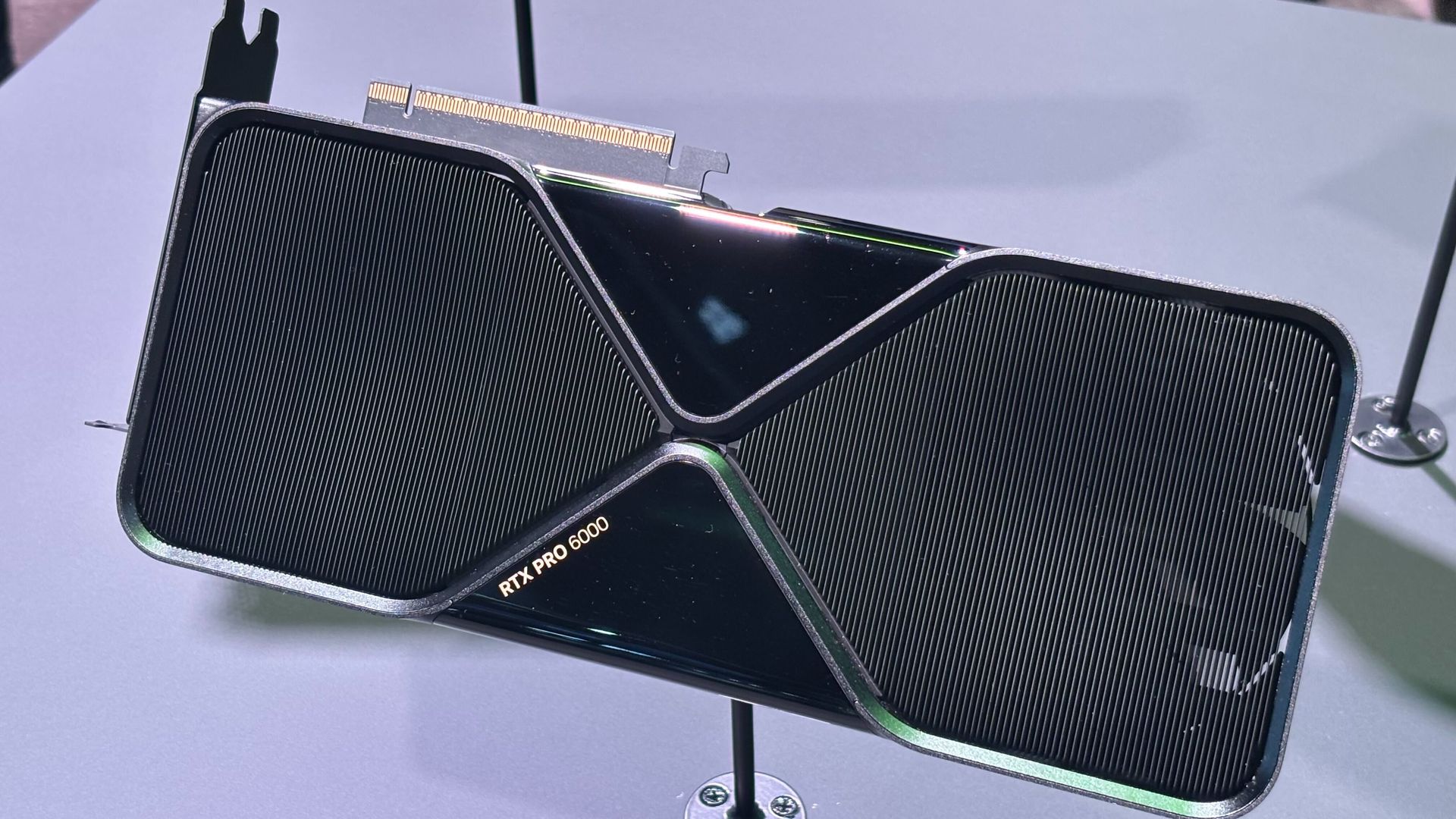
Hardware leaker Kopite7Kimi, who has an exceptional track record, posted on X that Nvidia's RTX 60 series GPUs, based on the Rubin architecture, might not be released until at least 2028. The leaker previously believed that we might see a new generation of graphics cards in late 2027, but now says: "Unfortunately, GR20x is a product from 2028. That means they have postponed again." We've reached out to Nvidia for comment.
Kopite7Kimi has a historically near-spotless record when it comes to speaking about Nvidia hardware leaks, and it seems that this time, consumers may have to wait a little longer. Both the Ada Lovelace and Blackwell architectures in RTX 40 and RTX 50 series GPUs share the same TSMC 4N process node, so if the leaker's words are to be believed, it will take Nvidia a total of six years to move its consumer GPUs to the more advanced TSMC 3N or 3NP node that its Rubin accelerators currently utilize.
Now, the potential reasons behind the delay could be twofold: The first is the numerous reports we've heard about a potential RTX 50 Super series Blackwell refresh being sidelined, despite reportedly being ready. The claimed reason behind the delay or potential cancellation of the rumored RTX 50 Super series is the use of denser 3GB GDDR7 VRAM chips, which just so happen to have appeared in Nvidia's recently released RTX Pro 5500 and share many similarities with the RTX 5090.
So, it's quite possible that the delays in delivering a GeForce product based on the Rubin architecture, which has already begun shipping as "the fastest ramp in company history," is down to careful allocation of resources on Nvidia's part, as the company expects to make $20 billion from Vera Rubin in Q3 2027.
Secondly, Nvidia can only acquire so many resources to supply its products, which demand vast amounts of memory, and has also locked in a certain amount of wafer supply from TSMC. So, it's highly probable that Nvidia is focusing on enterprise and workstation products ahead of a consumer launch, especially as component costs remain eye-wateringly high. Nvidia's highly profitable data center arm is currently experiencing soaring demand from the ongoing AI buildout, meaning there's less onus to deliver a potentially less profitable consumer GPU, while there's still cash to be made from hyperscalers.
It's not unusual to see enterprise products use more advanced nodes before arriving in consumer products, but this time around, at least according to Kopite7Kimi, the Blackwell product cycle is poised to be unusually long. This is particularly bad news for consumers, as the RTX 5090 is experiencing a pricing squeeze, which is seeing costs soaring all the way above $9,000 — if you're lucky enough to find one listed online.
For now, your best bet is to just hold on to the GPU you currently have until the storm blows over and a new generation of graphics cards is released, unless you're willing to pay the dizzyingly high costs that the market demands right now. Tom's Hardware has reached out to Nvidia for comment on the matter.
Sayem Ahmed is the Subscription Editor at Tom's Hardware. He covers a broad range of deep dives into hardware, both new and old, including the CPUs, GPUs, and everything else that uses a semiconductor. He has worked as a professional tech journalist since 2015 and has written for Gamespot, IGN, and Dexerto.
This text was published by Tom's Hardware and written by Sayem Ahmed. It is reproduced here with attribution so you can read it in full; the rights remain with the publisher. Read it at the source ↗
The headline, key points and digest above were generated by Digest AI's editorial model from the linked sources. Automated summaries can contain errors: the sources are the record. Spotted a mistake? Tell us.
More in Hardware & Compute
All →- Humanoid robot decommissioning faces technical, safety, and data risks · 1 src
- Noctua says its NF-A4x10 5V PWM fan cools CAIM1 anti-AI 4K camera · 1 src
- Apple's A20 Pro enables iPhone 18 Pro to run 27B model twice as fast as iPhone 17 Pro · 1 src
- Apple and OpenAI pursue opposite hardware strategies for the AI era · 1 src
- AMD Radeon RX 10800 XT could outperform RTX 5090, insider leaks suggest · 1 src
Comments
via GitHub Discussions