Report finds US teens can still download nudify apps despite Apple and Google controls
A study by the digital‑rights group Tech Transparency Project (TTP) created four test accounts – two on Apple and two on Google – each registered as 13‑year‑olds. Using search terms like “AI video generator”, the researchers downloaded 135 apps that could strip clothing or swap faces onto nude bodies. Many of those apps were mis‑rated as suitable for minors; one was listed as appropriate for…
Key points
- TTP test accounts (13‑year‑old) downloaded 135 nudify apps from Apple and Google stores.
- Many apps were mis‑rated as suitable for minors; Apple removed 25 and Google six, but apps stayed functional.
- Parents report teens using apps like Movely to create non‑consensual pornographic images.
Apple and Google say they act against harmful content. Google spokesperson Dan Jackson said the company takes “proactive steps to detect and remove apps with harmful content”. Apple spokesperson Adam Dema said the firm now requires developers to prevent non‑consensual intimate imagery and that it reviews every app before publishing. After the report, Apple removed 25 nudify apps and Google six, yet the researchers could still use previously downloaded apps, which remained functional and continued charging subscriptions. Parents like Morgan Dorfman recount how their daughters were targeted with apps such as Movely, highlighting the difficulty of protecting teens despite existing parental‑control mechanisms.
US teens can access ‘nudify’ apps despite Apple and Google’s parental controls, report finds
The Guardian AI · 19 October 2026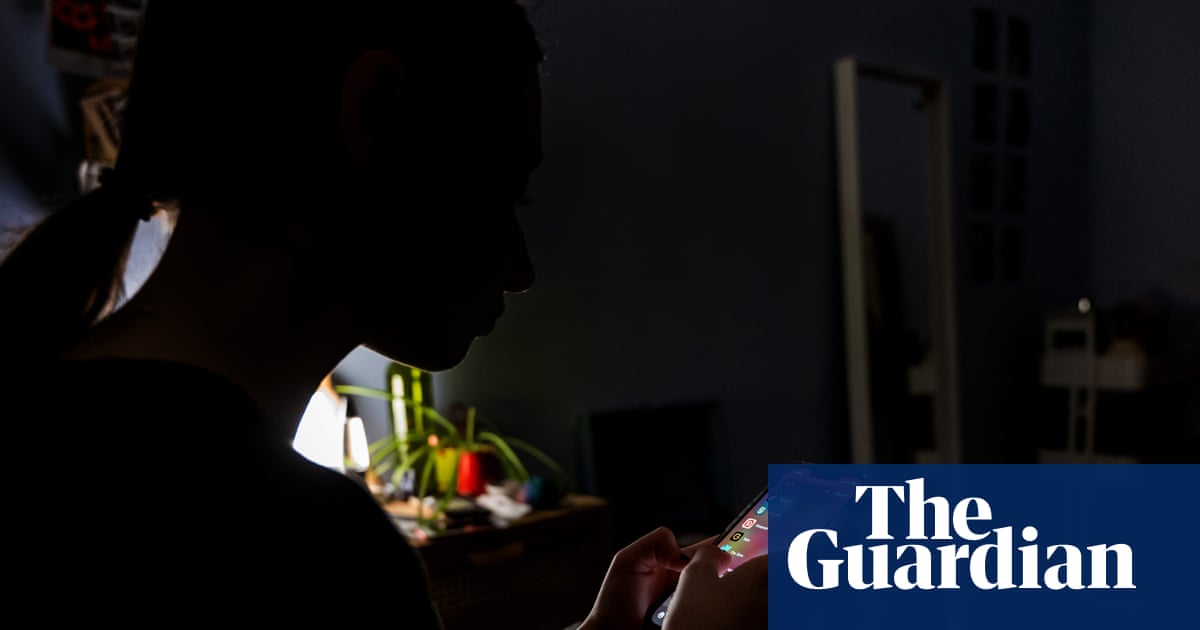
Loading the full article…
This text was published by The Guardian AI and written by Johana Bhuiyan. It is reproduced here with attribution so you can read it in full; the rights remain with the publisher. Read it at the source ↗
The headline, key points and digest above were generated by Digest AI's editorial model from the linked sources. Automated summaries can contain errors: the sources are the record. Spotted a mistake? Tell us. Published by Martin K., who runs Digest AI and handles corrections.
More in Policy & Regulation
All →- UK Council for Science and Technology advises minister on AI sovereignty plan with four recommendations · 1 src
- Anthropic pitches Congress frontier AI safety bill with $1B damage, 50-casualty thresholds · 19 src
- OpenAI backs Singapore's AI incident reporting push, says timeline up to government · 2 src
- Anthropic grants external watchdog employee-like access to its models · 2 src
- Meta's Muse shared a seller's home address after user granted always‑allow permission · 1 src
Comments
via GitHub Discussions