MIT researchers unveil multimodal AI model that links crystal structures to properties
MIT scientists have built a vision‑language model that fuses three‑dimensional atomic structures with natural‑language descriptions of crystals. The team, led by Ju Li and including Yang Jeong Park, Mayank Kumaran, Chia‑Wei Hsu, and Elsa Olivetti, trained the system with contrastive learning on AI‑generated narratives and computational databases, creating unified textual summaries of…
Key points
- MIT team created a vision‑language model that combines 3D crystal structures with textual descriptions.
- The multimodal model outperformed text‑only baselines, identifying known solid‑state battery electrolyte candidates.
- Training used contrastive learning on AI‑generated narratives and computational databases, funded by DARPA and other agencies.
In a paper published in Nature Communications, the researchers compared a version of the model trained on the multimodal dataset with a baseline trained only on text from papers. The multimodal model identified better material designs, correctly surfacing candidates already known for solid‑state lithium‑ion battery electrolytes, and learned geometric representations that text‑only models missed. Li likened the approach to AlphaFold’s linking of protein structure to function, suggesting it could become a step change for materials science.
The work was supported in part by the U.S. Defense Threat Reduction Agency, the U.S. Defense Advanced Research Projects Agency, and the National Research Foundation of Korea, highlighting cross‑agency interest in accelerating materials discovery.
Giving AI a “crystal clear” view of the materials world
MIT News on AI · 18 October 2026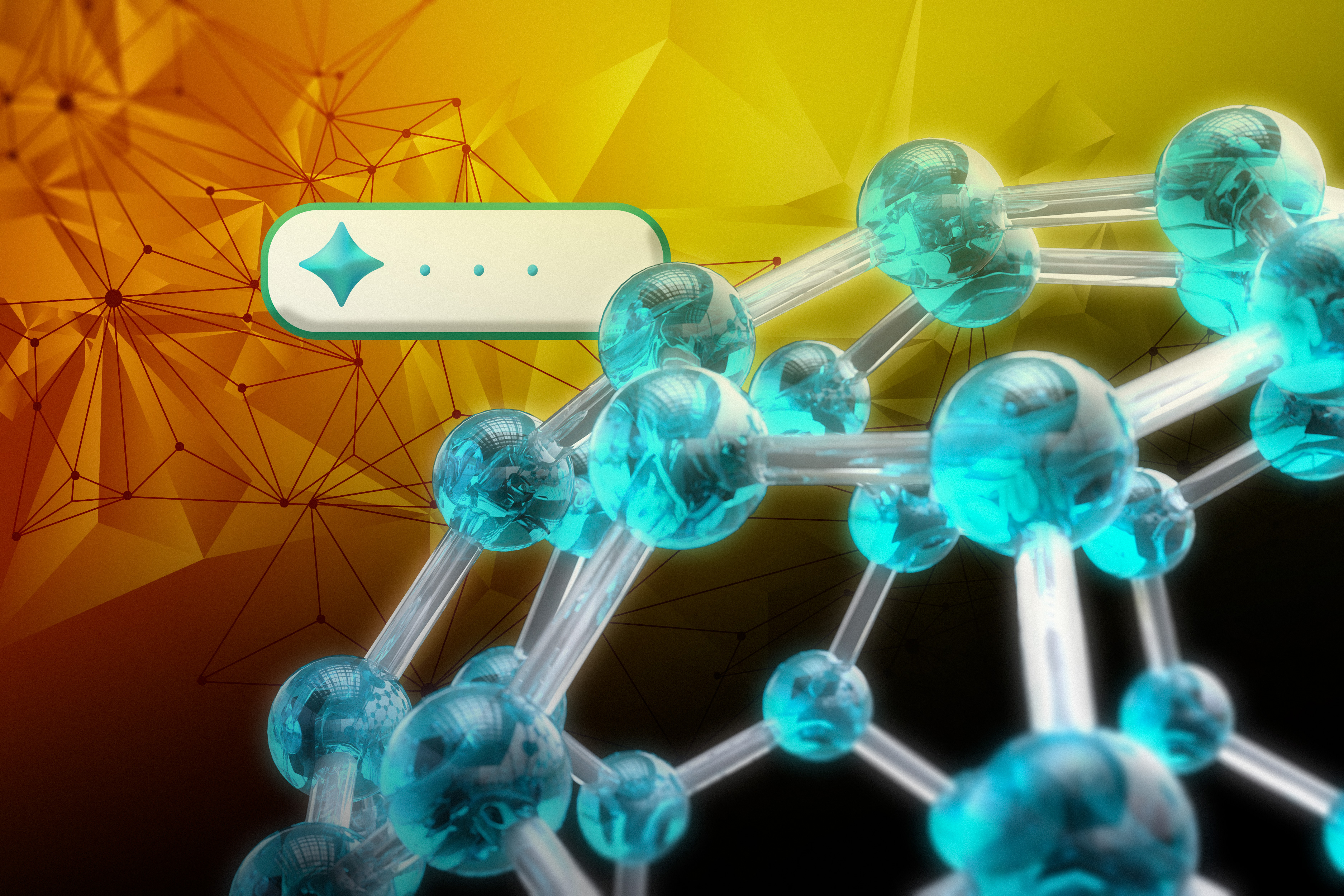
Loading the full article…
This text was published by MIT News on AI and written by Zach Winn | MIT News. It is reproduced here with attribution so you can read it in full; the rights remain with the publisher. Read it at the source ↗
The headline, key points and digest above were generated by Digest AI's editorial model from the linked sources. Automated summaries can contain errors: the sources are the record. Spotted a mistake? Tell us. Published by Martin K., who runs Digest AI and handles corrections.
More in Generative AI & Models
All →- OpenAI lists three aurora-alpha models in its API · 1 src
- Google unveils Gemini 4 Argon with 1 million-token output · 2 src
- Reflection releases Beam, a 501B-parameter open-weight model under Apache 2.0 · 6 src
- OpenAI announces textGrain watermark for EU ChatGPT and Codex · 1 src
- DeepSeek releases DeepSeek-V4.1-Flash-1017, scores 77.0 on DeepSWE v1.1 and opens Search and Fetch APIs · 6 src
Comments
via GitHub Discussions